


Key takeaways from Diversity and Inclusion in Construction 2026
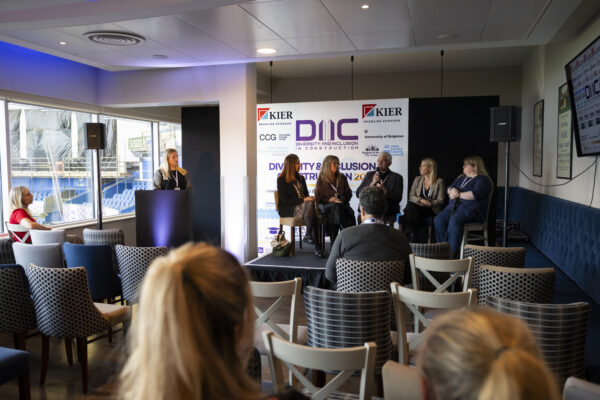
Last month, we travelled to Brighton for the third annual Diversity and Inclusion in Construction event, where we were proud to be a Gold sponsor. More than 600 delegates and over 90 speakers came together on 22 October for a day focused on building stronger pathways into the built environment, bringing employers, educators, public sector leaders and industry partners into the same room.
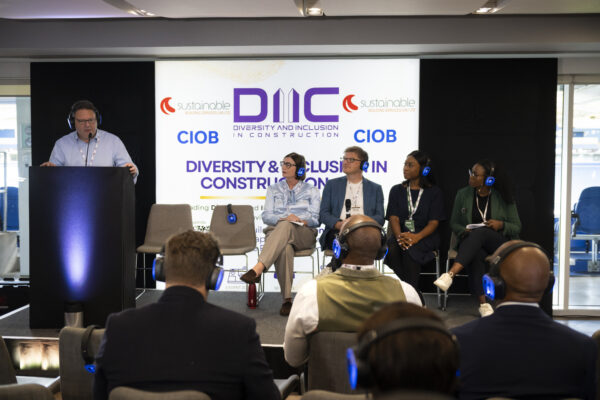
Alongside exhibiting with our stand, our team played an active part in the programme. Our chair, Derek Horrocks, delivered a keynote speech and chaired a panel with Kris Gallagher, who leads HR at SBS, while Angela Jones, who heads up our social value work, led a panel session on closing the construction skills gap. Here we share the key takeaways from the day.
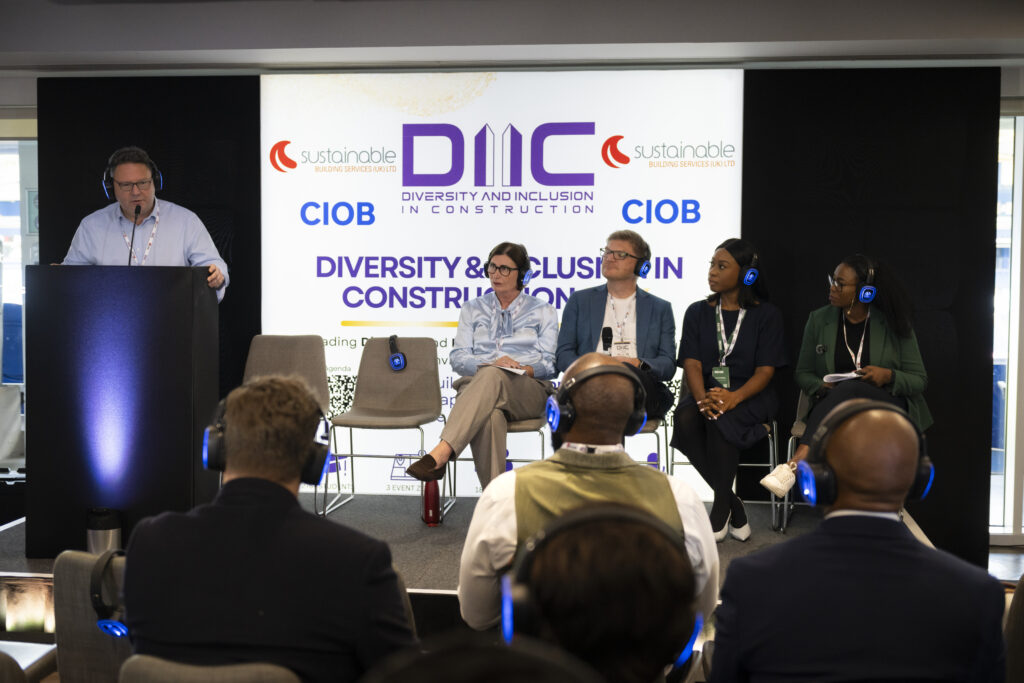
[Pictures are copyrighted to Matt McArdle Photography] DIIC 2026
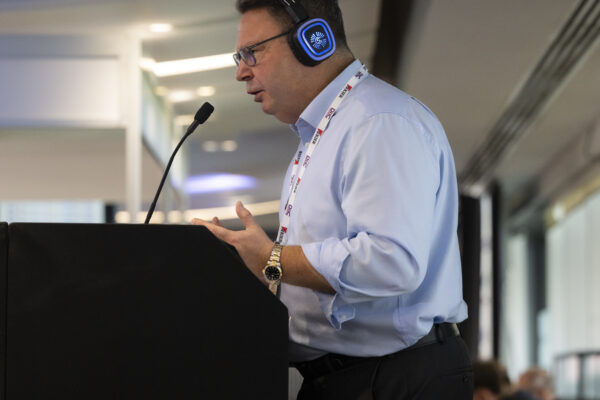
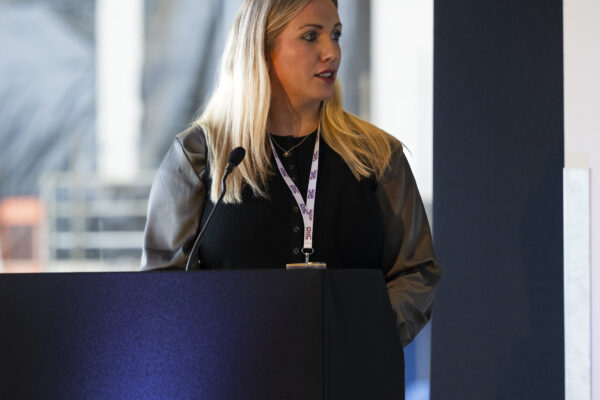
Derek Horrocks’ keynote on delivering retrofit at scale
Derek opened his session by setting out the scale of the opportunity ahead. Retrofitting people’s homes creates healthier and more comfortable places to live while supporting the UK’s net zero ambitions. With 29 million homes to retrofit by 2050 and £1.5bn of investment through the Warm Homes Plan, the sector offers significant career opportunities. Derek shared his insights on the challenges and opportunities facing the industry, and on the vital role diversity and inclusion will play in delivering retrofit at scale.
Building an inclusive retrofit workforce
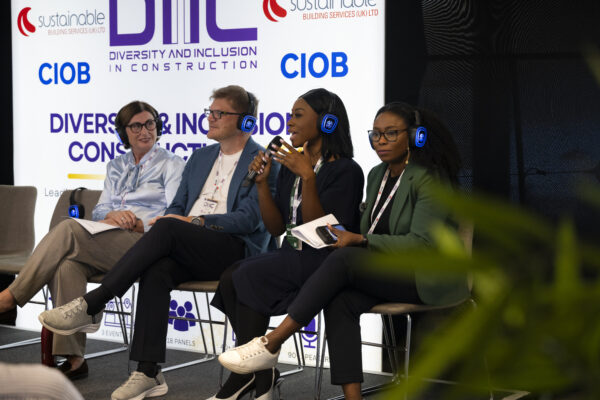
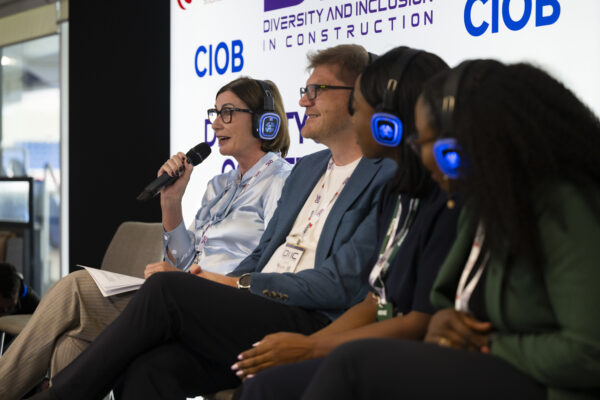
Straight after the keynote, Derek was joined by Kris for a panel session on creating inclusive pathways for a diverse retrofit workforce. The discussion explored widening access to retrofit careers, removing barriers to employment, creating inclusive workplace culture and supporting people’s long-term career progression once they are in the industry.
Closing the construction skills gap
Over on another stage, Angela led a panel session on how closer collaboration between education and industry, backed by government, can help develop the next generation of construction and built environment professionals. The panel covered careers education, apprenticeships, higher education, technical training and work experience, looking at how to bridge the gap between education and employment and build a diverse, future-ready workforce. With students and professionals both well represented in the audience, the conversation felt especially relevant.
Why understanding matters for neurodivergent talent
Some of the most valuable moments of the day happened away from the stages. Angela spoke with a university student about how he felt about entering the construction industry as a neurodivergent person. He admitted he was apprehensive about whether he would struggle in the workplace, so Angela asked him what he thought employers needed to change to help him succeed.
His reply, which Angela says has played on her mind ever since, was simple. “I don’t feel like I need potential employers to change as such. I just need them to understand.”
Reflecting on the exchange, Angela said: “As employers, I believe we have a responsibility to do better. Not just to open doors and talk about inclusion, but to build workplaces where people feel understood once they walk through those doors. I’m determined not to let this conversation simply fade into the background. I want to help make understanding a part of how we recruit and develop people, and hopefully encourage others to do the same.”
Angela is keen to hear from neurodivergent people, parents, colleagues and employers about what understanding looks like in the workplace, and which small changes or conversations have made the biggest difference. As she puts it: “Maybe the starting point isn’t always changing the person or the workplace. Perhaps it’s taking the time to understand each other a little better.”
What’s next for diversity and inclusion in construction?
Diversity and Inclusion in Construction offered a fresh perspective on the challenges and opportunities of our industry and opened up a conversation that we are proud to support. Delivering retrofit at the scale the UK needs will depend on a workforce that is both highly skilled and representative of the communities it serves, and events like this one show what can happen when educators and employers sit down together.
If you would like to find out more about careers at SBS, visit our careers website.